
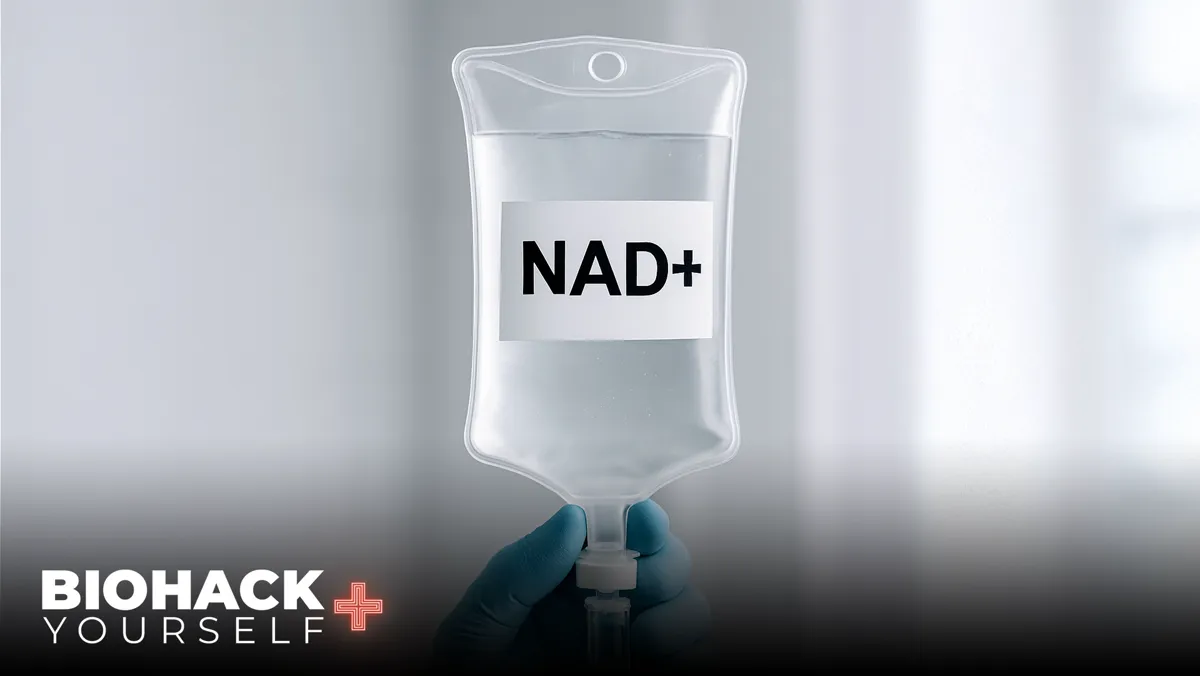
The NAD+ Craze: Biohacking Gold or Hidden Histamine & Sulfur Grenade?
The Truth Behind the Latest Longevity Trend
Microplastics in Human Brain
The average human brain contains 7mg!
From misinformation to integrity
NAD+ (nicotinamide adenine dinucleotide) has taken the biohacking world by storm. Touted as a miracle molecule for energy, longevity, and cellular regeneration, it’s become a staple in IV lounges, mitochondrial stacks, and high-performance aging protocols.
But in our race to live longer, perform harder, and regenerate faster, many are overlooking a critical truth: What fuels the cell doesn’t always serve the system.
And in individuals with histamine intolerance, sulfur sensitivity, or post-viral inflammatory syndromes—particularly those driven by the spike protein—NAD+ can turn from healing ally to biochemical saboteur.
Why the Hype Around NAD+?
DNA repair (via sirtuins & PARPs)
As we age—or experience chronic infection, stress, or toxic burden—NAD+ levels decline. Supplementing with precursors like NMN (nicotinamide mononucleotide) or NR (nicotinamide riboside) is marketed as a way to turn back the biological clock.
And for some, it works beautifully.
But here’s what most biohackers don’t know: NAD+ ramps up cellular activity. And if your body is inflamed, histamine-saturated, or sulfur-overloaded, that acceleration can flood the system, not free it.
Miracle molecule or biochemical hazard?
The Histamine & Sulfur Connection
Histamine and sulfur are both regulated by finely tuned metabolic pathways. When these are compromised—by genetics, infections, or environmental exposures—symptoms can spiral quickly.
Here’s how NAD+ misfires in this context:
NAD+ increases methylation demand – Histamine is cleared via methylation (HNMT) – Sulfur compounds like glutathione, taurine, and cysteine also require methyl donors – NAD+ fuels processes that consume these methyl donors, taxing both pathways
NAD+ can stimulate mast cells – By increasing mitochondrial activity and intracellular calcium, NAD+ may trigger mast cell degranulation, releasing histamine and inflammatory mediators
NAD+ may burden sulfur pathways – People with CBS, SUOX, or SULT1A1 gene variants have difficulty processing sulfur compounds – NAD+ upregulation increases glutathione cycling, detox load, and enzyme activity—all sulfur-intensive processes – This can trigger brain fog, fatigue, ammonia buildup, and a crash in sensitive individuals
NAD+ is a metabolic accelerator – And if the terrain is inflamed, toxic, or genetically compromised, pushing it harder will not clear it faster—it will amplify dysfunction
The spike protein—from SARS-CoV-2 infection or mRNA-based vaccines—can:
Activate mast cells and histamine pathways
Disrupt ACE2 regulation of sulfation and methylation
Reactivate latent viruses (CMV, EBV)
Dysregulate mitochondrial and sulfur metabolism
This post-viral terrain is fragile.
And while NAD+ is often promoted as a “fix” for long COVID fatigue, it can worsen symptoms in those with histamine and sulfur stacking.
Who Should Be Cautious With NAD+?
You may need to pause or microdose NAD+ if you experience:
Histamine flares (rashes, flushing, insomnia)
Brain fog, ammonia sensitivity, or sulfur burps after B vitamins or NAC
Anxiety, overstimulation, or headaches post-NMN
Reactivity to garlic, eggs, crucifers, or high-sulfur supplements (e.g., glutathione)
Post-viral crashes, detox sensitivity, or paradoxical fatigue after “biohacking”
Genetically, this risk increases with:
HNMT, MAOA (histamine and neurotransmitter breakdown)
CBS, SUOX, SULT1A1 (sulfur clearance)
VDR (poor regulation of inflammation and detox enzymes)