
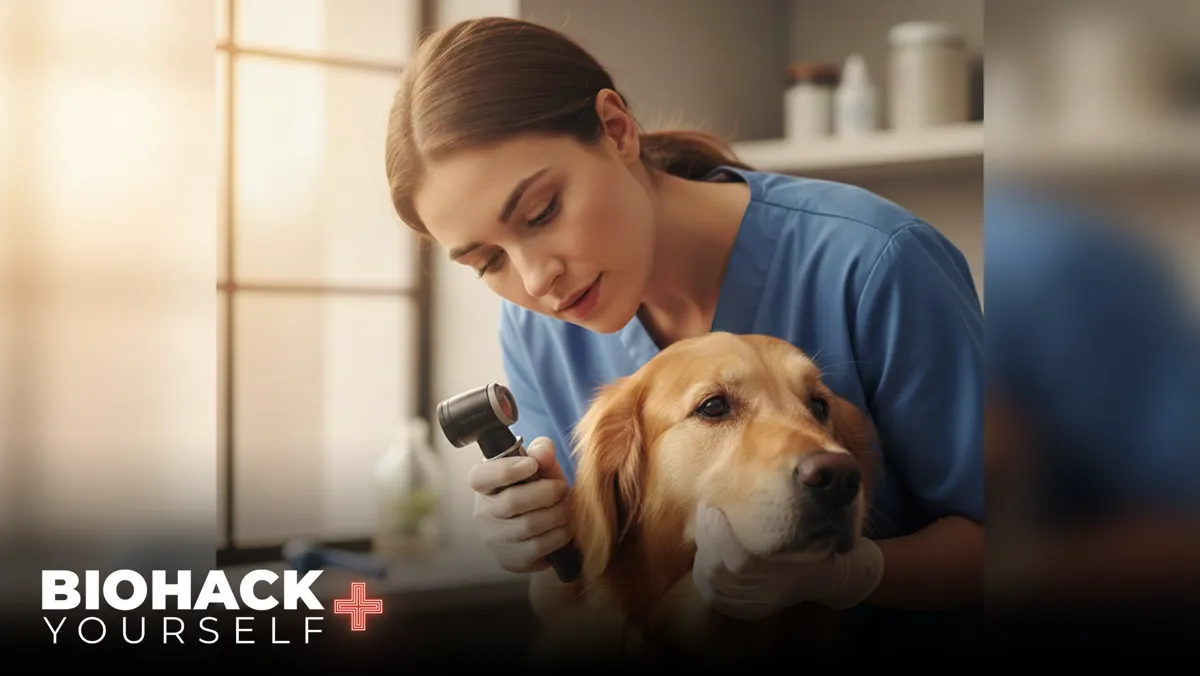
The Ear-y Tale of Ear Infections in Pets: Uncover Causes, Powerful Solutions & Relief
Microplastics in Human Brain
The average human brain contains 7mg!
From misinformation to integrity
Ear infections, particularly otitis externa, are a prevalent concern in veterinary practices. Studies indicate that otitis externa affects approximately 10% to 20% of dogs, making it one of the most common reasons for veterinary visits.
We have been led to believe that the predisposing cause of ear infections in dogs and cats is due to their long, narrow ear canals that trap moisture, wax, and debris. Supposedly, breeds with floppy ears have limited airflow, predisposing them to infections. The truth is, most ear infections are the result of “leaky gut.” These pets are eating highly processed diets, they are deficient in many nutrients and are overwhelmed with toxins, all of which are contributing to damage of the gut lining. When the gut lining is damaged, foreign material gains entrance into the body and triggers the immune system, leading to inflammation.
The ear canal is made of skin wrapped into a tube shape and pushed down a deep, dark hole. Most owners do not look into the pet’s ear canal until discharge builds up, the pet shows signs of discomfort, like scratching the ear or shaking the head, or the smell of the infection becomes obvious.
55% of dogs with food allergies develop otitis externa first, often experiencing ear issues before other allergy symptoms, such as itchy, flaky skin, gastrointestinal problems, or paw licking.
50% to 88.9% of dogs with chronic external ear infections may develop complications such as otitis media (middle ear infection).
Recurrent ear infections are commonly labeled as “allergies,” but this only describes the symptoms, not the root cause – the reason these infections keep happening.
The Root Cause Of Ear Infections
Leaky Gut: A condition where damage to the intestinal lining allows undigested food particles, toxins, and bacteria to pass from the intestinal lumen, through the gut membrane, into the bloodstream to be filtered by the liver. This damage can result from processed diets, toxins, hormones, stress (cortisol), GMOs, and glyphosate. The liver responds to the foreign invaders by sending out cytokines, inflammatory mediators, to kill the “invaders”, thus triggering systemic inflammation and immune system reactions. This response is a good thing, initially, as it protects against foreign invasion. The problem is, this system was never designed to stay active 24/7, constantly under attack by toxins in the diet and environment.
Moisture: Hot, humid environments (like Florida) can contribute to ear infections. Bathing or swimming can leave ear canals damp, creating a bacteria-friendly environment.
Wax Build-Up: Excessive wax can trap debris, allowing bacteria to thrive.
Excess Hair in the ear canal: Like wax, hair can trap moisture and debris.
Yeast Overgrowth: Seen as varying degrees of black, pasty earwax. To properly diagnose this condition, veterinarians should perform an “ear cytology”, where they take some of the material, smear it on a microscope slide and look under high microscope magnification. Often occurs when pets are fed processed diets or there is an underlying gut imbalance.
Bacterial infections: The ear canal may develop a discharge. The diagnosis is made based on an ear cytology (and if warranted, a bacterial culture).
Polyps: These benign growths, often found in the ear canal or middle ear, can cause persistent ear infections, discharge, head shaking, and discomfort. Polyps may obstruct airflow, trap moisture, and create an ideal environment for bacteria and yeast to thrive.
Cancer: Malignant tumors in the ear can present symptoms similar to infections, including swelling, pain, persistent discharge, and resistance to standard treatments. Ear cancers can be associated with chronic inflammation, environmental toxins and nutritional deficiencies.
Traditional Veterinary Approach To Ear Infections - Symptom Suppression!
1. Antibiotics for bacterial infections.
Pros: Can effectively target and eliminate bacterial infections when the correct antibiotic is used, reducing the severity of symptoms.
Cons: Often based on empirical evidence rather than culture, leading to potential antibiotic resistance and negative impacts on the gut microbiome if the wrong antibiotic is chosen.
2. Steroids are prescribed to reduce inflammation and pain.
Pros: Quickly alleviates discomfort and swelling, providing rapid relief.
Cons: Suppresses the immune system, increases susceptibility to infections, and leads to side effects such as leaky gut, weight gain, increased thirst, and adrenal suppression.
3. Antifungal medications are used for yeast overgrowth.
Pros: Effectively targets and eliminates fungal infections, helping restore ear health.
Cons: May cause digestive upset, disrupt gut microbiota, and contribute to yeast resistance if overused.
4. Anti-parasitic treatments are often used to address ear mite infections.
Pros: Kills mites effectively and relieves itching and discomfort.
Cons: Some treatments contain harsh chemicals that may cause skin irritation or neurological side effects in sensitive pets.
5. Ear cleaners should maintain ear hygiene by dissolving wax (ceruminolytic), drying the moisture, and acidifying the environment.
Pros: Can prevent infections when used appropriately and improve overall ear health.
Cons: Overuse may strip natural oils, irritate, and disrupt the ear’s microbiome, leading to recurring infections. Most over-the-counter products contain toxic ingredients. Carefully read the label and understand each ingredient.
6. Surgical intervention as a last resort
In severe cases, surgery such as horizontal or vertical ear resection may be necessary to improve airflow, remove neoplasia or polyps, and reduce chronic infections. There should always be a follow-up appointment to repeat the cytology and confirm improvement or resolution.
Holistic Solutions for Chronic Ear Infections
While symptom management is important to keep the pet comfortable, it is critically important to test for and address the root causes (diet, gut health, parasites, deficiencies, toxicities).
“Test, don’t guess” to uncover nutritional deficiencies and/or toxins.